EU aid regulation marks 20 years with renewed Cyprus talks focus
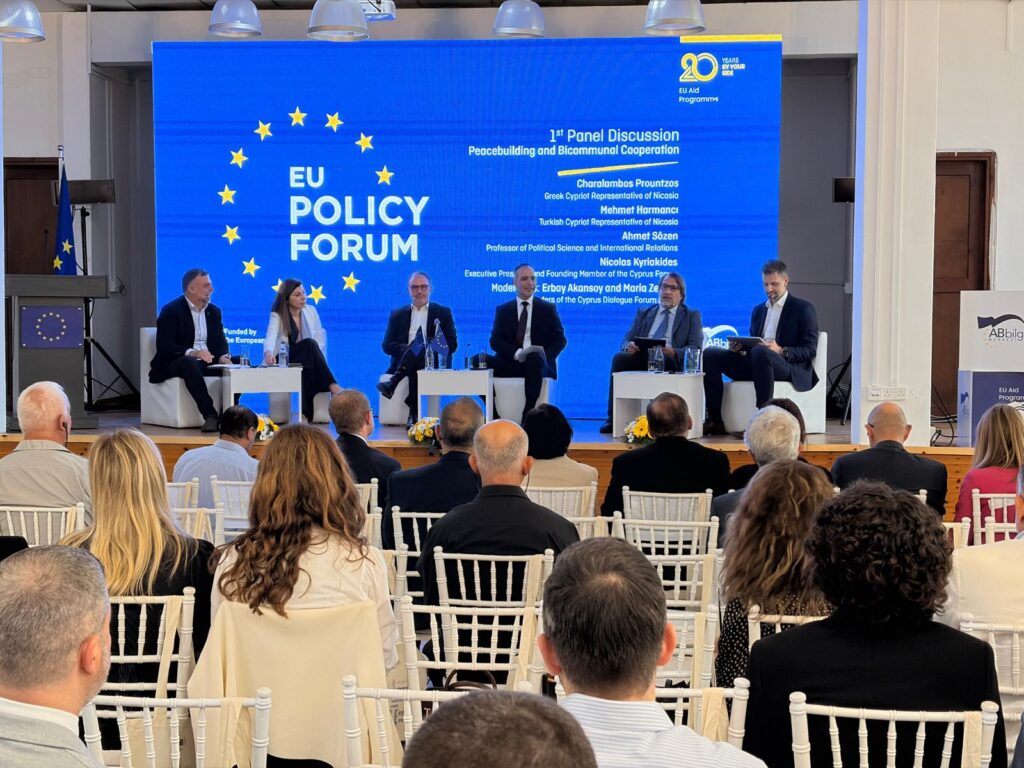
An “EU Policy Forum” was held to mark the 20th anniversary of the European Union’s Financial Aid Regulation, created for Turkish Cypriots.
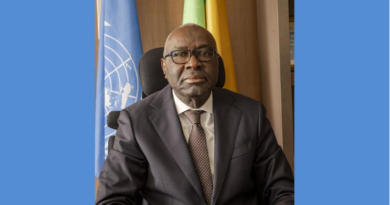
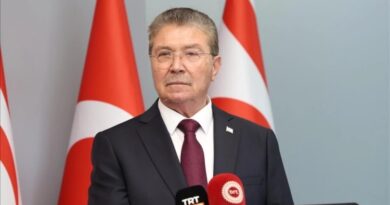
Speaking at the forum, Presidential Undersecretary Mehmet Dânâ stressed the Turkish Cypriot side’s determination to continue on a path that could lead Cyprus to a solution through a new methodology, while UN Special Representative in Cyprus Khassim Diagne said UN Secretary-General’s Personal Representative Maria Angela Holguín believed substantive negotiations could begin in the coming months.
The “EU Policy Forum” was organised to mark the 20th anniversary of the European Union Financial Aid Regulation established for Turkish Cypriots.
Addressing the forum, the UN Secretary-General’s Special Representative in Cyprus and Head of Mission of UNFICYP, Khassim Diagne, said the United Nations remained committed to achieving a comprehensive peace in Cyprus.
Diagne noted that similar commitment had also been observed from the leaders, particularly after October 2025, adding that the recently announced confidence-building measures reflected that commitment.
He also stated that UN Secretary-General’s Personal Representative Maria Angela Holguín considered the recent progress meaningful and foresaw the possibility of moving to substantive talks in the coming months.
Presidential Undersecretary Mehmet Dânâ also addressed the forum.
Recalling that Greek Cypriots voted “no” in the 2004 Annan Plan referendum, Dânâ said the European Union had announced both the Financial Aid Regulation and the Direct Trade Regulation shortly afterwards in an effort to ease the isolation and disappointment experienced by Turkish Cypriots.
He stressed that although the two regulations were designed to complement one another and eliminate inequalities faced by Turkish Cypriots, the Direct Trade Regulation had never been implemented due to political obstacles.
Dânâ said the imbalance that emerged after 2004 had deepened over time, with the Greek Cypriot side being treated “as if it represented the whole island,” further increasing frustration among Turkish Cypriots and maintaining an asymmetry of trust between the two sides.
He added that a strong strategic vision was now needed to build mutual trust between Turkish Cypriots and Greek Cypriots, while reaffirming the Turkish Cypriot side’s commitment to dialogue, cooperation and a fair settlement through a new methodology.
Greek Cypriot negotiator Menelaos Menelaou, meanwhile, said many unsuccessful attempts had been made in the past for a comprehensive settlement in Cyprus, stressing the importance of maintaining hope for a reunified Cyprus under a federal framework rather than a future shaped by continued friction.